In a commercial project, the wallcovering is not chosen — it is specified. WC-01 is the tag on the finish schedule that carries a whole set of performance promises, and everything behind that code is what keeps a wall standing up to a lobby, a corridor, or a patient room for years.


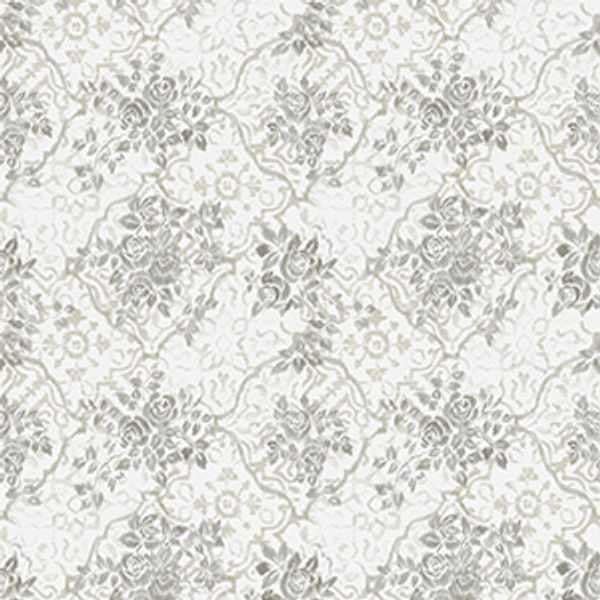







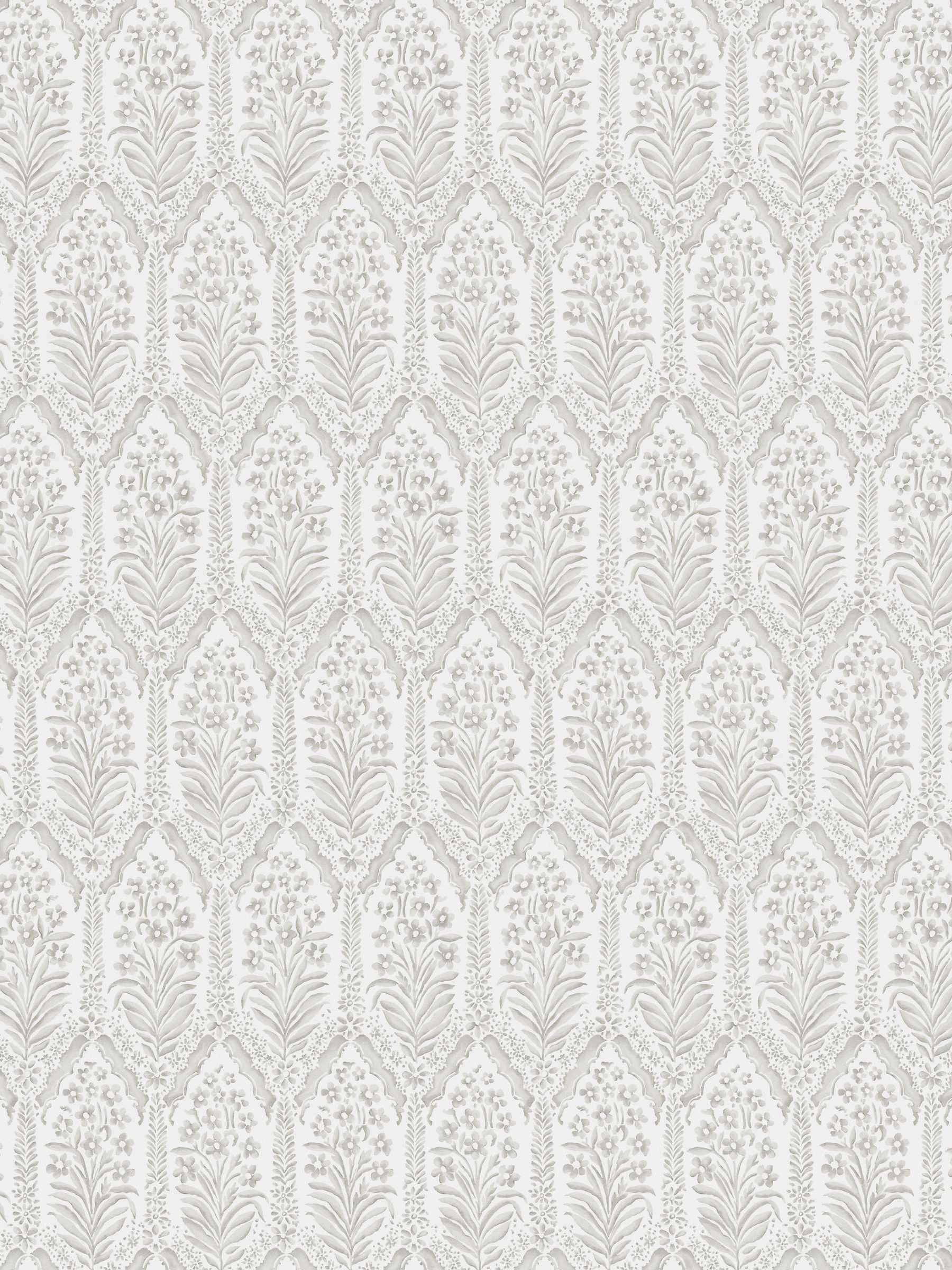
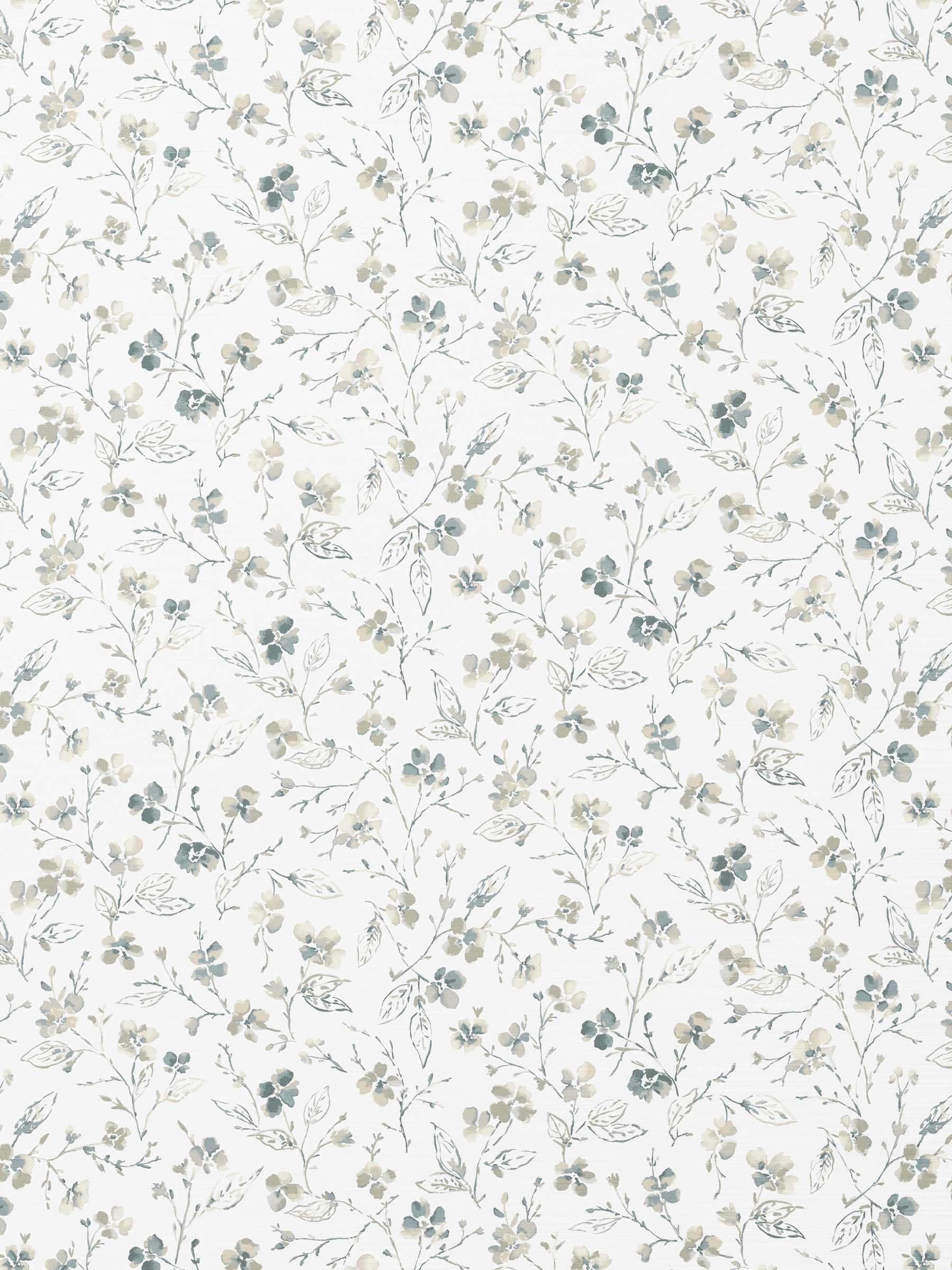







What a contract wallcovering has to prove
A residential paper is judged by how it looks; a contract wallcovering has to pass tests before its looks even matter. It is graded by weight and durability class, checked for flame spread and smoke development to meet the building's fire code, and expected to survive scrubbing, abrasion, and repeated cleaning in high-traffic spaces. A Class A rating for surface burning is the baseline many commercial interiors require, and a product that cannot document it will not clear plan review.
These requirements are why commercial lines are built differently. Heavier substrates, tougher topcoats, and wider widths are engineered for the abuse of public space and the reality that the wall may need to be wiped down daily. The aesthetic conversation happens inside that envelope of performance, not outside it.
Matching the material to the space
Different environments demand different constructions, and a good spec starts from the room's job. High-abuse corridors and back-of-house areas lean on durable Type II vinyl for its scrub resistance and impact tolerance. Healthcare and hospitality spaces add cleanability and, increasingly, antimicrobial and moisture-managing properties to the list. Corporate and design-forward spaces may reach for textile, digital-print, or specialty surfaces where the look leads, provided the performance still clears code.
Matching material to space is also about honest durability expectations. Specifying a delicate finish in a heavy-traffic zone guarantees an early, expensive replacement, while over-specifying an industrial vinyl in a quiet executive suite wastes budget and character. The right answer is usually the lightest-touch product that still meets every performance requirement the space actually imposes.
From spec to installed wall
A commercial wallcovering only performs if the wall beneath it is prepared to the same standard. Substrate prep, priming, seam treatment, and the correct adhesive for the material are part of the specification, not the installer's improvisation, because a contract-grade product hung over an unprepared wall fails at the seams no matter how good the paper is. Many manufacturers tie their warranty to documented prep and installation, so cutting that corner can void the coverage the whole spec was meant to secure.
The handoff between the specifier and the field is where projects succeed or slip. A clean spec names the product, the substrate condition, the adhesive, the fire rating, and the maintenance regime, so the installer and the facilities team inherit a wall that will keep meeting the code it was approved under long after the ribbon-cutting.
Quick checklist before you order
- Confirm the fire ratingVerify Class A flame spread and smoke development for the occupancy.
- Match the durability classType II vinyl for high traffic; lighter constructions where abuse is low.
- Check cleanabilityHealthcare and hospitality need scrubbable, often antimicrobial surfaces.
- Specify the substrate prepPrime, seam, and adhesive requirements belong in the spec, not on site.
- Protect the warrantyFollow documented install and maintenance to keep coverage valid.
Frequently asked
What is a Type II commercial wallcovering?
A medium-weight, durable wallcovering built for high-traffic commercial walls — scrub-resistant and impact-tolerant, and the common baseline for corridors and public spaces.
What does a Class A rating mean?
It is the top surface-burning classification for flame spread and smoke development, and it is the fire-performance level many commercial interiors are required to meet.
Does installation affect the warranty on contract wallcovering?
Yes — manufacturers typically require documented substrate prep, the correct adhesive, and proper maintenance, and skipping them can void the warranty.
Read more
- Sabins and NRC: how a commercial wall's sound absorption is measuredEvery acoustic wallcovering rating traces back to one number invented in a Harvard lecture hall. How absorption is measured, from the sabin to the NRC on a submittal.
- Absorb or block: why NRC and STC are two different jobs on a commercial wallNRC and STC get confused on almost every project, and they solve opposite problems. What each measures, the standards behind them, and where a wall needs which.
- Where acoustic wall treatment earns its place, from open offices to classroomsThe Lombard effect, speech intelligibility, and a real design standard for schools explain where absorptive wall surfaces pay off — and where they are the wrong spend.